
![How to File a DBA in Colorado: Step-by-Step Guide to Registering a Trade Name in [year]](https://doolastaging2.wpenginepowered.com/wp-content/uploads/2025/11/banner-cta-new.png "How to File a DBA in Colorado: Step-by-Step Guide to Registering a Trade Name in [year]")
The Easiest Way to Start and Scale Your U.S. Business.



Your US business name is often the first thing a customer sees, and in Colorado, you have the legal flexibility to operate under a name that’s entirely different from your official registration.
If you’re a sole proprietor running a business under a brand name, an LLC launching a new product line, or an entrepreneur building a customer-facing identity separate from your legal entity, the Colorado Secretary of State gives you a straightforward way to make it official:
A trade name registration, commonly known as a DBA (Doing Business As).
Here’s what it looks like across different business types:
1. A sole proprietor John Smith can run a landscaping company: Rocky Mountain Lawn Care.
2. An LLC named Peak Consulting LLC may launch a marketing division called Peak Marketing.
3. An e-commerce seller may operate under a brand name rather than a personal legal name.
In each of these cases, a trade name registration (DBA) allows the business to legally use that brand in commerce.
In today’s doola guide, you’ll learn how to file a DBA in Colorado step-by-step, including:
✔️ Colorado DBA requirements you need to meet
✔️ The total cost of “filing your DBA” in Colorado
✔️ Exact filing steps with the Colorado Secretary of State
✔️ Compliance rules and common mistakes to avoid
One important note upfront: registering a DBA does not create a legal business entity. It simply allows an individual or entity to operate under a different name.
And if you’re looking to go beyond just registering a name, doola helps entrepreneurs form and manage their US businesses, from LLC formation to compliance and bookkeeping, so you can focus on turning your idea into a scalable business.
What Is a DBA in Colorado?
A DBA (Doing Business As), called a trade name in Colorado, is a registered name that a business uses instead of its legal name.
Businesses use DBAs to operate under a more marketable or descriptive brand name without creating a new legal entity.
In Colorado, trade names are officially registered through the Colorado Secretary of State, which maintains the statewide database of business entities and trade names.
Once registered, the trade name becomes the official name a business can use for branding, marketing, and customer-facing activities.
Why Businesses Use DBAs
Businesses often register DBAs to create a brand identity that is clearer, more memorable, or better suited to their products and services.
Instead of operating strictly under a legal name, a trade name allows businesses to present themselves to customers in a more strategic and professional way.
There are several practical reasons why businesses register a trade name:
1. Branding flexibility
A sole proprietor named John Smith, for example, may want to market services under a professional brand like Rocky Mountain Lawn Care instead of using their personal name.
A DBA allows them to promote a recognizable brand while keeping the same legal business structure.
2. Launching new product lines
An existing LLC may want to introduce new services under a separate brand without forming another company.
Here’s a quick example:
| Peak Consulting LLC | DBA: Peak Marketing |
This approach allows the business to maintain a single legal entity while operating multiple branded services.
3. Running multiple businesses
Entrepreneurs often manage several brands under one company structure.
Registering different DBAs allows them to market each venture separately while keeping administration centralized under one legal entity.
4. E-commerce storefronts
Online sellers frequently operate under store names that differ from their legal business name.
Registering a DBA helps formalize that brand for use on marketplaces, websites, and payment platforms.
When a DBA Makes Sense (vs. Forming a New LLC)
While a DBA is a useful branding tool, it’s important to understand when it’s the right choice versus when forming a new business entity would make more sense.
A DBA is typically useful when:
- You want to operate under a different brand name
- You’re testing a new product line or business idea
- You want to run multiple brands under one company
- You want to create a more marketable business identity
However, a new LLC may be better if you need:
- Liability protection for a new venture
- A completely separate legal business entity
- Independent financial records and accounting
- A structure that is easier to scale, fund, or sell later
🔖 Related Read (if you form an LLC): How to Start an LLC in Colorado: Step-by-Step Guide
| ⚡ doola Insight for Entrepreneurs
It’s important for business owners to remember that a DBA does not provide liability protection; it simply registers a name under which a business can operate. The legal responsibility for the business remains with the individual or entity that owns the trade name. |
Who Needs to File a DBA in Colorado?
You may need to file a DBA in Colorado if you plan to operate your business under a name that is different from the legal name of the individual or entity that owns the business.
In Colorado, this process is referred to as trade name registration and is handled through the Colorado Secretary of State.
Registering a trade name allows businesses to market and conduct operations under a brand name that customers recognize, while the legal owner remains the same in state records.
The following types of businesses commonly register DBAs in Colorado.
1. Sole Proprietors
Sole proprietors are among the most common users of DBAs. If you operate a business as an individual but want to use a brand name instead of your personal legal name, you will typically need to register a trade name.
For example, if your legal name is John Smith, but you want to operate your landscaping business under the brand: “Rocky Mountain Lawn Care”, you would register that name as a DBA with the Colorado Secretary of State (SoS).
Without a DBA, you would generally need to conduct business using your personal name.
2. General Partnerships
Partnerships often register DBAs when their business name is different from the names of the partners involved.
Consider the below example of two legal owners and the trade name of the property they own:
| Legal owners | Trade name |
| John Smith & Maria Garcia | Summit Property Solutions |
In this case, the partnership registers Summit Property Solutions as a DBA so the business can legally operate under that brand name in contracts, invoices, and marketing materials.
3. LLCs Operating Under Another Brand
Limited liability companies frequently use DBAs when launching additional services, product lines, or niche brands under the same company structure.
For example, an LLC like Peak Consulting LLC can operate under the trade name Peak Marketing, allowing it to position a specific service offering with its own distinct identity.
This allows the company to promote a specific service offering with its own brand identity while keeping operations under the same LLC.
4. Corporations Launching Sub-Brands
Corporations also register DBAs when they want to operate multiple brands or divisions under one legal entity.
For example, Alpine Ventures Inc. can register and operate under the trade name Alpine Outdoor Gear, enabling it to build a distinct, customer-facing brand for a specific product line.
Using a DBA allows corporations to create distinct market-facing brands without forming a new corporation for every product or service line.
5. Online Businesses
E-commerce entrepreneurs frequently register DBAs when the store name used on digital platforms differs from the legal business name.
A DBA allows the online brand to be recognized legally while keeping the underlying entity unchanged.
This is common for sellers operating on platforms such as:
- Shopify, where store owners often build branded storefronts that differ from their registered company name
- Amazon, where marketplace sellers operate under unique storefront brands
- Etsy, where creative businesses typically use brand-style shop names rather than personal names
Registering a DBA helps formalize the brand used across these platforms and allows it to be used consistently for payments, marketing, and customer interactions.
Important Clarification for Business Owners
A DBA simply registers a name that a person or company can legally use for business activities.
A DBA does not create a new business entity and does not provide liability protection.
The legal owner behind the DBA remains fully responsible for the business, including:
- Contracts signed under the trade name, since the legal entity ultimately enters the agreement
- Taxes, which are still reported under the owner’s personal tax return or the underlying entity’s tax structure
- Debts and financial obligations, which remain tied to the individual or entity that owns the DBA
- Legal responsibilities, including ongoing compliance, licensing requirements, and potential liabilities
Is your mind made up about forming an LLC? Book a demo and speak directly with a doola expert to understand the best path forward.
Colorado DBA Requirements: Naming Rules & Compliance
In Colorado, trade names are registered through the Colorado Secretary of State, which maintains the official statewide database of business entities and trade names.
When you submit a DBA filing, the state reviews the name to ensure it meets the necessary standards.
Understanding these requirements beforehand can help you avoid rejected filings, legal conflicts, and branding issues down the road.
1. The Trade Name Must Be Distinct
Your DBA cannot be identical or confusingly similar to an existing name in the Colorado business registry.
This rule helps prevent marketplace confusion and ensures that customers can clearly distinguish between different businesses operating in the state.
For example, if a business called Summit Lawncare & Landscaping already exists, registering a trade name like Summit Lawncare & Landscaping Services may raise concerns about similarity depending on how the name appears in the database.
Before filing, it’s always best to confirm that your desired name is unique enough to stand apart from existing businesses.
2. The Name Cannot Be Misleading
Colorado trade names must not falsely imply something about the business that isn’t true.
Your DBA should not suggest:
- Government affiliation if your business is not connected to a government agency
- Professional business licensing or credentials that you do not hold
- Products or services your business does not actually provide
For example, using words such as “Federal,” “Treasury,” or “Insurance Authority” may trigger scrutiny because they could lead customers to believe the business has official authority or regulatory backing.
Keeping your DBA accurate and transparent helps maintain consumer trust and ensures your registration complies with state rules.
3. The Name Must Not Infringe on Trademarks
Even if your trade name is available in the Colorado state registry, it could still violate a federal trademark.
For instance, registering a DBA that closely resembles an established national brand could create legal risks, even if the state system allows the filing.
Before finalizing a trade name, it’s wise to perform additional checks beyond the state database, such as searching the United States Patent & Trademark Office trademark database to confirm that the name is not already protected at the federal level.
Taking this extra step helps avoid potential trademark disputes and costly rebranding later.
4. The Name Must Follow Colorado Naming Standards
Certain words in a business name may require special approval, licensing, or regulatory oversight before they can legally be used in a trade name.
This is because some terms suggest that a business operates in a regulated industry, where specific credentials or government authorization are required.
A few common examples include:
- “Bank”: This term typically indicates a financial institution. In Colorado, businesses using this term must usually be authorized and regulated by financial authorities before including it in a trade name.
- “Trust”: Names suggesting fiduciary or trust services often require the business to be licensed to manage financial assets or act as a trustee.
- “Insurance”: Businesses offering insurance products must typically be licensed through the appropriate regulatory body before using this word in their trade name.
In these cases, simply registering a DBA does not override licensing requirements.
If your business operates in a regulated industry, you must meet the necessary licensing and compliance standards before using those terms in your name.
How to Check Name Availability
Before registering a DBA, you should search the business database maintained by the Colorado Secretary of State.
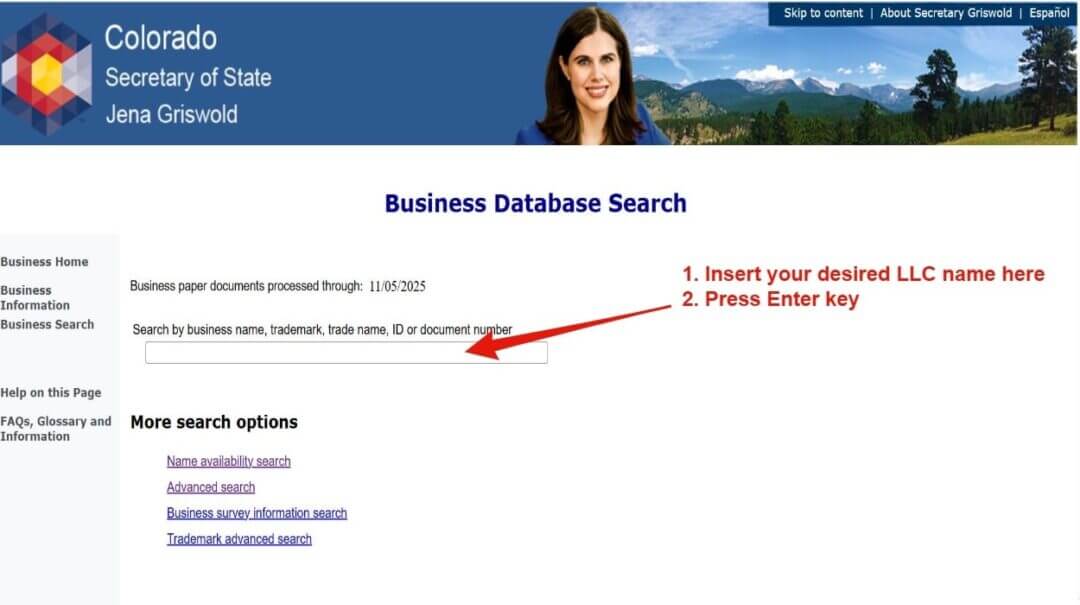
This search helps determine whether your desired name is already in use or too similar to an existing one.
When reviewing search results, look for:
- Identical names already registered in the system
- Similar names that could potentially create confusion for customers

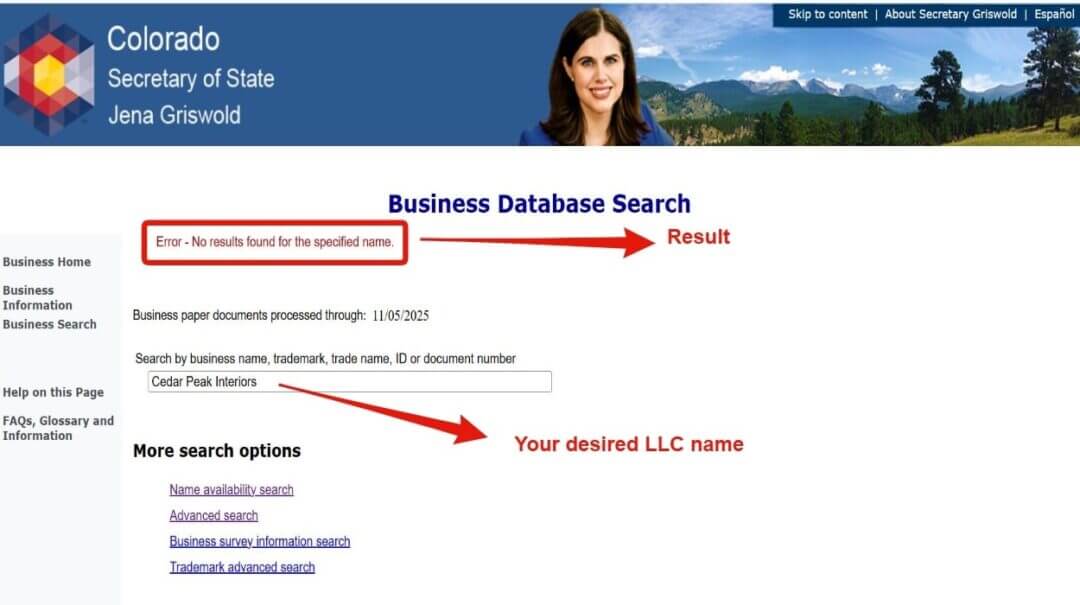
If your name appears unique in the database (as shown in the image below), you can move forward with filing your trade name registration.
doola Tips for Choosing a Strong DBA Name
Determining the right trade name is not just about compliance, it’s also about building a brand that resonates with customers.
A strong DBA name should be:
- Easy to remember so customers can quickly recall and recommend your business
- Distinct from competitors, helping your brand stand out in search results and local markets
- Brand-friendly for marketing, meaning it works well on logos, social media profiles, and advertising materials
- Available as a domain name, making it easier to build a professional website and consistent online presence
If you’re planning to build a long-term brand, it’s also worth considering future expansion, trademark availability, and digital branding opportunities before finalizing your trade name.
How to File a DBA in Colorado: Step-by-Step in 2026
Colorado has one of the most streamlined systems for business filings in the United States.
All DBA (trade name) registrations are completed entirely online, which means the process can typically be finished in just a few minutes if you have the required information ready.
Trade names are registered through the Colorado Secretary of State, which maintains the official database of businesses and trade names operating in the state.
Below is a step-by-step breakdown of the process.
Step 1: Search the Colorado Trade Name Database
Before filing your DBA, you should first search the business database on the Colorado Secretary of State website.
This step helps confirm that the name you want to use is not already registered or too similar to an existing trade name.
During your search, make sure to:
- Look for identical names already registered in the system
- Check for confusingly similar variations that might create brand or legal conflicts
- Verify spelling and wording carefully, including abbreviations or punctuation differences
To modify and narrow your search down, select the “advanced search” option as shown below.
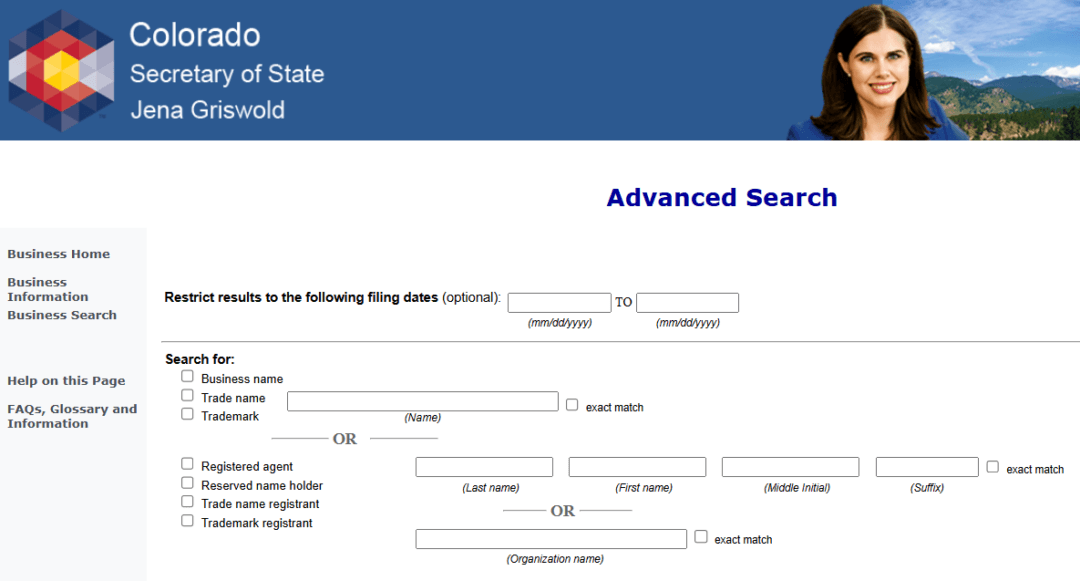
If your desired name appears to be available and distinguishable from existing entries, you can move forward with the registration process.
Step 2: Determine the Business Structure Filing the DBA
In this step, you’ll need to identify which legal structure owns the trade name.
Because your DBA is always tied to a specific legal owner, and that ownership determines not just how you file with the state, but also how you report income to the IRS.
Different structures file trade names in slightly different ways, and here’s how:
1. Sole Proprietors
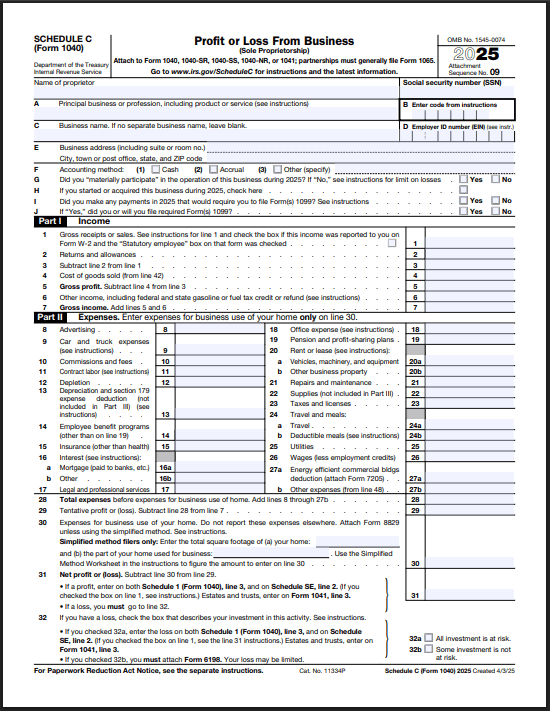
Sole proprietors file a trade name registration under their personal name as the business owner. This allows an individual to operate a business under a brand name that differs from their legal name.
Example: John Smith → DBA: Rocky Mountain Lawn Care
📌 Note: Income earned under the DBA is reported on the owner’s personal tax return using IRS Schedule C (Form 1040), which details business income and expenses.
2. Partnerships
For partnerships, the trade name registration is filed under the partnership’s ownership details, linking the DBA to the individuals who jointly operate the business.
This allows the partnership to present a unified brand while still maintaining the legal identities of the partners behind the business.
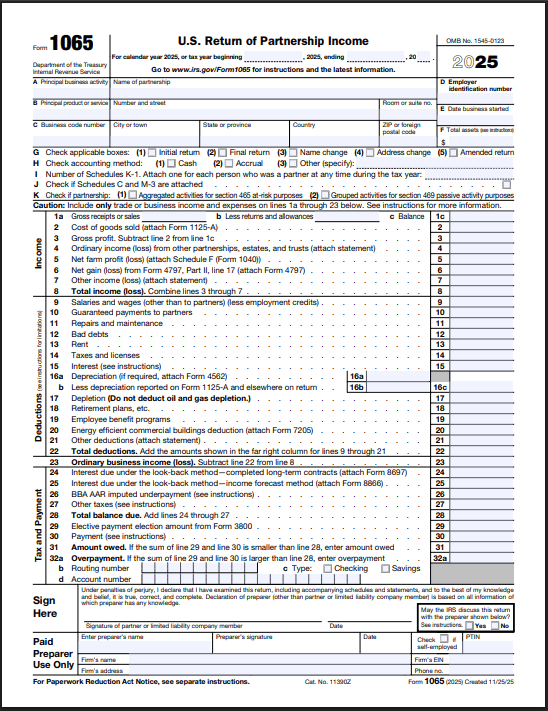
For federal taxes, partnerships must file an informational return using IRS Form 1065, which reports the partnership’s income, deductions, and distributions. Each partner then reports their share of profits on their individual returns.
3. LLCs

Limited Liability Companies can register a DBA under their existing entity record in the Colorado business database. The trade name is then officially connected to the LLC’s entity ID.
From a tax standpoint, LLCs are flexible:
- Single-member LLCs typically file using IRS Schedule C (Form 1040)
- Multi-member LLCs usually file IRS Form 1065
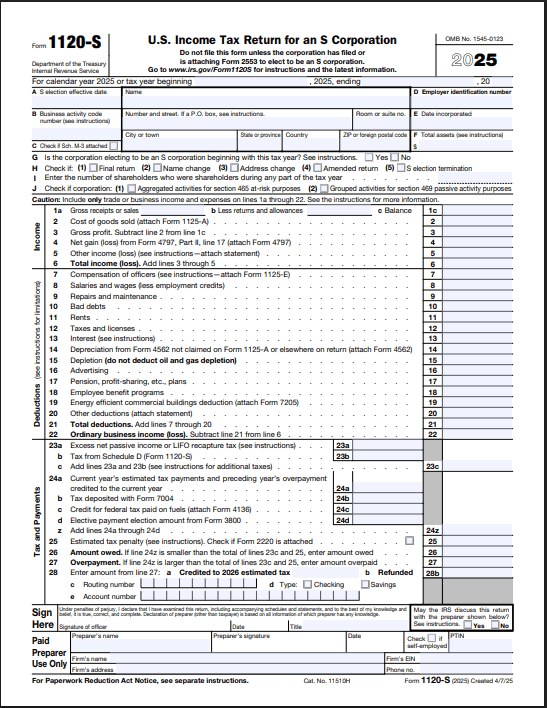
- LLCs that elect corporate taxation may file IRS Form 1120-C (C-corp) or Form 1120-S (for S-corps).
This flexibility makes LLCs one of the most popular structures for entrepreneurs who want both brand versatility (via DBAs) and liability protection.
4. Corporations
Corporations file trade names under their registered corporate entity with the state. This allows the corporation to operate different brands or divisions while maintaining a single corporate structure.
For federal tax purposes:
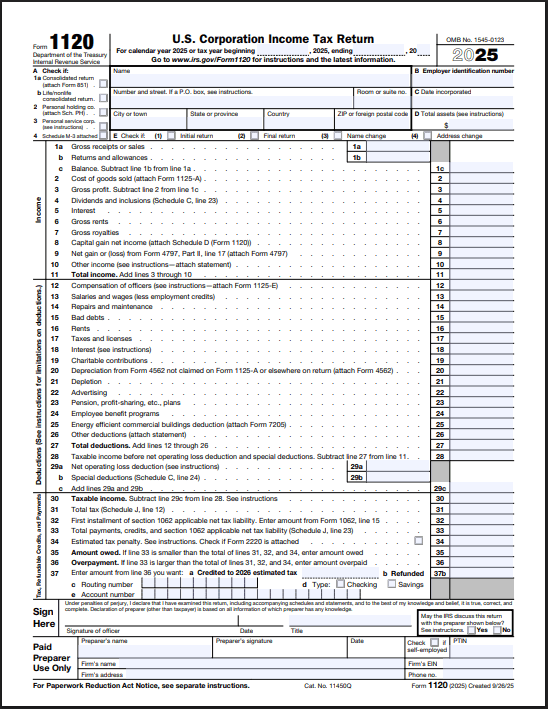
- C Corporations file IRS Form 1120
- S Corporations file IRS Form 1120-S
In every case, the DBA filing ensures that the trade name is legally tied to the responsible individual or entity that owns and operates the business.
Step 3: File the Trade Name Registration Online
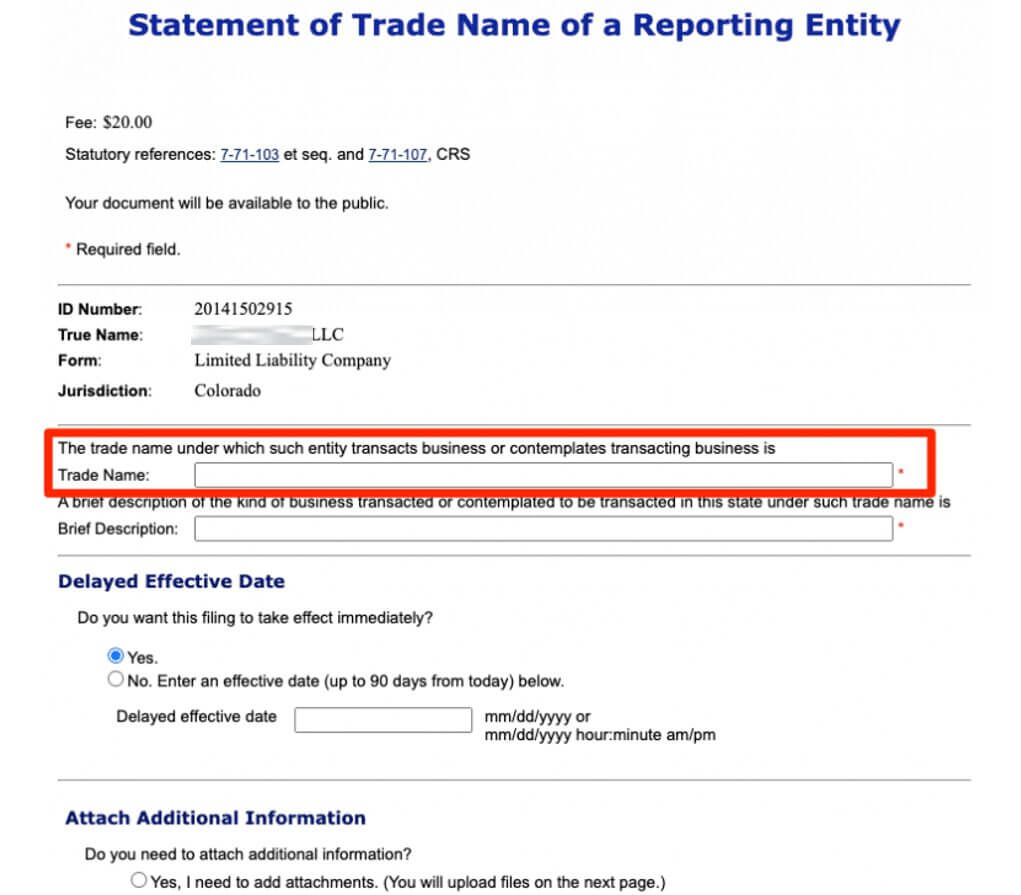
Colorado processes DBA registrations 100% online through the official Colorado Secretary of State website.
During the filing process, you will typically need to provide:
- Legal name of the owner or business entity, which identifies the individual or company that will legally own the trade name
- Entity ID number (for LLCs or corporations), allowing the state to connect the DBA to the correct business record in the database
- Desired trade name, which is the brand name you intend to use in marketing, customer interactions, and public-facing materials
- Business address, typically the primary place of business associated with the trade name
- Filing party information, which identifies the person submitting the registration on behalf of the business
Once submitted, the system automatically reviews the filing and validates the information against the state’s business registry.
Step 4: Pay the Filing Fee
The cost to file a DBA in Colorado is typically $20, making it one of the more affordable business filings in the state.
Payment is made directly during the online filing process.
Accepted payment methods usually include:
- Credit cards, which are commonly used for quick online transactions and may offer additional security protections depending on the card issuer
- Debit cards, which allow the fee to be paid directly from a bank account and are often preferred by small businesses managing expenses in real time
Once payment is completed, the system immediately processes the filing and updates the trade name registry.
🔖 Related Reading: Know Your Costs: DBA State Filing Fees Per State
Step 5: Receive Confirmation and Begin Using Your DBA
After your filing is accepted, your trade name typically becomes active immediately.
You will receive confirmation from the Colorado Secretary of State, and the registration will appear in the state’s public business database.
Once approved, you can begin using your DBA across your business operations, including:
- Business websites, where the trade name becomes part of your online brand identity
- Marketing materials, such as advertisements, flyers, and promotional campaigns
- Contracts and invoices, allowing you to conduct transactions under the registered trade name
- Business bank accounts, where many banks require proof of trade name registration before linking a DBA to an account
- Social media branding, helping you maintain consistent naming across digital platforms and customer touchpoints
If you have questions about forming an LLC, you can explore the services offered by doola. Our team helps entrepreneurs navigate business formation, compliance, and operational setup so you can build your business with the right foundation from day 1.
How Long Does It Take to Register a DBA in Colorado?
Colorado offers one of the fastest DBA filing systems in the US.
Since filings are processed online instantly, registration usually takes only a few minutes.
Once submitted:
- You receive immediate confirmation
- A trade name record is created in the state database
- Proof of registration can be downloaded
You can also retrieve your filing anytime through the Colorado Secretary of State online records.
Maintaining and Renewing Your Colorado DBA in 2026
Most guides stop at “how to file a DBA.”
Colorado has specific rules regarding the duration and upkeep of trade names.
But what actually keeps your business running smoothly is what happens after you register it.
So, let’s get to how to maintain it properly, and also, what happens after you register your DBA.
Colorado DBA Validity Period
A Colorado trade name does not last indefinitely. Once registered, it remains active for a specific period of time and must be renewed to stay in good standing.
Failing to renew can cause your trade name to expire, meaning:
- You may lose exclusive rights to the name in the Colorado state registry
- Another business could legally register a similar or even the same name
- Banks / payment processors may restrict transactions under an expired DBA
Colorado DBA Validity Period At a Glance
| Requirement | Timeline |
| Trade name validity period | 5 years from the date of registration |
| Renewal deadline | Before the 5-year expiration date |
| Grace period | No formal grace period; expires if not renewed on time |
🔖 Related Reading: How to Add DBA to Bank Account in 5 Steps
Renewal Requirements
To keep your DBA active, you must file a periodic renewal every 5 years with the Colorado Secretary of State.
This renewal serves an important purpose beyond just keeping the name active, it ensures that:
- Your business is still operating under the registered trade name
- Ownership and contact details remain accurate and up to date
- The state registry reflects currently active businesses, not outdated records
Colorado DBA Renewal Timeline
| Requirement | Timeline | What It Means for You |
| Renewal frequency | Every 5 years | You must actively renew your trade name to keep it registered |
| Filing method | Online only | Renewals are completed through the Colorado Secretary of State portal |
| Processing time | Immediate upon submission | Your DBA remains active without interruption if renewed on time |
While timely renewals keep your DBA active, you’ll also need to update your records as your business evolves.
Updating Trade Name Information
If your business details change, you may need to update your trade name registration to keep your records accurate and compliant.
Common updates include:
- Change of business address, ensuring that your official contact and mailing details reflect your current operations
- Ownership updates, such as adding or removing owners in a partnership or reflecting internal changes within the business
- Entity restructuring, for example, if you convert from a sole proprietorship to an LLC and need to align the DBA with the new entity
Keeping your information current helps avoid legal discrepancies, banking issues, and compliance risks.
Canceling a Trade Name
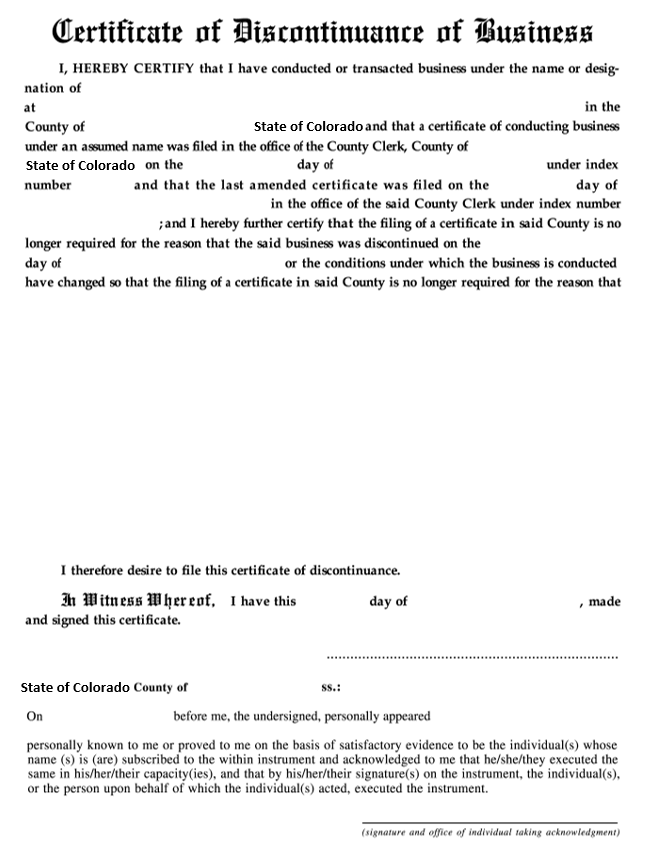
If you stop using a DBA, you can file a Statement of Discontinuance through the Colorado Secretary of State.
Canceling unused trade names is a smart compliance move, as it helps prevent:
- Legal confusion about whether the business is still active
- Compliance issues tied to outdated records
- Duplicate name conflicts, where inactive names block others or create disputes
| ⚡ Important Note for Entrepreneurs There is no strict waiting period to cancel a trade name in Colorado, you can file a discontinuance at any time once you stop using the name. The request must be submitted by the current owner of the trade name or an authorized party, and it becomes effective upon filing. |
Common Mistakes When Filing a DBA in Colorado
Filing a DBA in Colorado is relatively straightforward, but small missteps can lead to rejected applications, legal risks, or long-term branding issues.
Below is a breakdown of the most common mistakes entrepreneurs make when registering a trade name, along with the real business impact and how to avoid them.
| Mistake | Business Impact | Solution |
| Choosing a name without checking for availability | Your filing may be rejected, delaying your launch. Worse, you might invest in branding only to realize the name is already taken or too similar to an existing business. | Always search the database on the Colorado Secretary of State website before filing. Check for both exact matches and similar variations to ensure your name is truly distinguishable. |
| Ignoring trademark conflicts | Even if your DBA is approved at the state level, you could face cease-and-desist notices, legal disputes, or even forced rebranding if name infringes on a federal trademark. | Conduct a broader search beyond the state registry, including the United States Patent and Trademark Office database. |
| Assuming a DBA will provide you liability protection | Can expose you to personal financial risk, as lawsuits, debts, and obligations remain tied to the individual or entity behind the DBA. | Understand that a DBA is only a name registration. If you need liability protection, consider forming an LLC or corporation to legally separate personal and business assets. |
| Forgetting renewal or maintenance requirements | An expired trade name can lead to loss of naming rights, disruption in banking or contracts, and the risk of another business registering your name. | Track renewal or maintenance deadlines and keep your registration active. Set reminders or use a compliance service to ensure your DBA remains in good standing. |
If you’re still unsure about any part of the process, or whether a DBA is even the right move for your business, working with doola can help you avoid these pitfalls and set up your business the right way from day one.
DBA vs LLC in Colorado: What’s the Difference?
Many entrepreneurs confuse DBAs (trade names) and LLCs, often assuming they serve the same purpose.
In reality, they solve completely different problems.
A DBA is primarily a branding tool, while an LLC is a legal and financial structure that defines how your business operates, pays taxes, and protects you from liability.
🔖 Related Reading: How Much Does an LLC Cost by State? A Complete Breakdown of Filing & Ongoing Fees
Here’s a clear side-by-side comparison:
| Feature | DBA (Trade Name) | LLC |
| Legal entity | No (it’s not a separate legal structure) | Yes (creates a distinct legal business entity) |
| Liability protection | No (owner remains personally liable) | Yes (separates personal and business liabilities) |
| Purpose | Brand name for business | Separate legal business structure |
| Registration authority | Colorado Secretary of State | Colorado Secretary of State |
| Tax structure | Same as owner/entity | Flexible taxation options |
| Cost | Registration fee of $20 for trade name | $50 (Articles of Organization filing fee) + $10/year (Periodic Report) |
While a DBA is useful for branding, it doesn’t provide the structural advantages that many growing businesses need.
So, how do you decide when a DBA is enough, and when it’s time to level up to an LLC?
When Entrepreneurs Should Form an LLC Instead
A DBA may work for simple branding needs, but it may fall short as your business grows or takes on more risk.
You should strongly consider forming an LLC if you need:
- Liability protection: If your business involves contracts, clients, or financial risk, an LLC helps protect your personal assets (like savings or property) by legally separating them from business liabilities.
- Investor funding: Investors typically prefer (or require) a formal business structure like an LLC, as it provides clear ownership, equity distribution, and legal clarity.
- Separate business finances: An LLC allows you to maintain clean financial separation, making it easier to open business bank accounts, track expenses, and stay compliant with tax regulations.
- Professional credibility: Operating as an LLC can enhance your brand’s trust and legitimacy, especially when dealing with clients, vendors, or partners who expect a formal business structure.
In these scenarios, forming an LLC isn’t just a legal upgrade, it’s a strategic move for long-term growth and risk management.
And if you decide to start an LLC, doola is here to support you every step of the way, from formation to compliance and beyond.
Explore our services to get your business set up the right way.
Start Your Colorado LLC the Right Way With doola

Most entrepreneurs underestimate how much the structural decisions made at launch: entity type, tax ID, banking, compliance, affect everything from fundraising to day-to-day operations. Getting it right from the start is a business imperative.
A trade name puts your brand on the map. A properly structured business keeps it there.
Fortunately, doola makes it easy. At doola, we help entrepreneurs handle the operational side of starting and running a business, including:
- Forming a US LLC, so you have a legally sound structure with built-in liability protection and credibility
- Obtaining an EIN, enabling you to hire, pay taxes, and operate seamlessly within the US financial system
- Setting up a US business bank account, making it easier to separate personal and business finances and manage cash flow like a pro
- Managing ongoing compliance and bookkeeping, so your business stays in good standing
Whether you’re launching an e-commerce store, building a consulting brand, or scaling a digital-first business, doola simplifies the operational complexity of formation and compliance so you can focus on what actually moves the needle for your company.
Ready to make it official?
Sign up with doola and start your US business from anywhere in the world.
FAQs

How much does it cost to file a DBA in Colorado?
The cost to file a DBA in Colorado is typically $20, paid during the online trade name registration process through the Colorado Secretary of State.
Do I need an LLC to file a DBA in Colorado?
No. Sole proprietors, partnerships, LLCs, and corporations can all register trade names.
How long does it take to register a DBA in Colorado?
Most DBA registrations in Colorado are processed immediately because filings are completed online.
Can multiple businesses use the same DBA in Colorado?
Generally, the trade name must be distinct within the state database, meaning identical names are typically not allowed.
Does a Colorado DBA protect my business name?
No. A DBA does not provide trademark protection or legal ownership rights outside the state registry.
Trademark registration provides stronger protection.
Do I need to renew my Colorado DBA?
Yes. Trade names must be maintained and renewed periodically to remain active in the state registry.
Can I open a business bank account with a Colorado DBA?
Yes. Many banks allow businesses to open accounts using a registered DBA, provided you show proof of trade name registration and the underlying legal entity documentation.
![How to File a DBA in Colorado: Step-by-Step Guide to Registering a Trade Name in [year]](https://doolastaging.wpengine.com/wp-content/uploads/2024/12/black-butotn.png "How to File a DBA in Colorado: Step-by-Step Guide to Registering a Trade Name in [year]")
Table of Contents
What Is a DBA in Colorado?Who Needs to File a DBA in Colorado?Colorado DBA Requirements: Naming Rules & Compliance How to File a DBA in Colorado: Step-by-Step in 2026How Long Does It Take to Register a DBA in Colorado?Maintaining and Renewing Your Colorado DBA in 2026Common Mistakes When Filing a DBA in ColoradoDBA vs LLC in Colorado: What’s the Difference?Start Your Colorado LLC the Right Way With doolaFAQsStart Your Dream U.S. Business Today.
![How to File a DBA in Colorado: Step-by-Step Guide to Registering a Trade Name in [year]](https://www.doola.com/wp-content/uploads/2025/05/5-sidebar.png "How to File a DBA in Colorado: Step-by-Step Guide to Registering a Trade Name in [year]")

![How to File a DBA in Colorado: Step-by-Step Guide to Registering a Trade Name in [year]](https://www.doola.com/wp-content/uploads/2025/06/construction-bottom.jpg "How to File a DBA in Colorado: Step-by-Step Guide to Registering a Trade Name in [year]")

![How to File a DBA in Colorado: Step-by-Step Guide to Registering a Trade Name in [year]](https://doolastaging2.wpenginepowered.com/wp-content/uploads/2025/11/pop-up-cta-1080x365.webp "How to File a DBA in Colorado: Step-by-Step Guide to Registering a Trade Name in [year]")
![How to File a DBA in Colorado: Step-by-Step Guide to Registering a Trade Name in [year]](https://doolastaging2.wpenginepowered.com/wp-content/uploads/2025/11/pop-up-cta-mobile.webp "How to File a DBA in Colorado: Step-by-Step Guide to Registering a Trade Name in [year]")
