

Among the hundreds of things that create the most confusion among entrepreneurs while starting a US business, two items top the charts: forming an LLC and registering a trademark.
Most founders know they need both, but the question that stops people in their tracks is: which one comes first?
If you get this wrong, you could end up investing time, money, and energy into a business name, only to discover it’s already protected by someone else’s trademark. That means forced rebranding, legal headaches and potentially losing the brand equity you worked hard to build.
And when you get it right, you’ll have a legally protected business and brand that’s built on a solid foundation from day 1.
In this guide, we’ll start by clarifying about should you trademark before forming an LLC. We’ll also break down exactly what an LLC and a trademark are, why they’re different, when each one should come first, and what the step-by-step process looks like for businesses.
And while securing your brand name is critical, building the right legal foundation matters just as much.
That’s where doola does it all: helping you seamlessly form your LLC, get your EIN, and set up your US business banking so you’re not just protected on paper, but fully equipped to operate and scale with confidence.
LLC vs Trademark: What’s the Difference?
Before we answer the common “what comes first” question, it’s important to understand that an LLC and a trademark are two entirely different legal tools, and they protect two different things.
LLC (Limited Liability Company)
A Limited Liability Company (LLC) is a legal business structure. When you form an LLC, you’re creating a separate legal entity for your business.
Here’s what that means in practice:
- Personal asset protection: Your personal finances and property are shielded from business debts and liabilities.
- State-level registration: LLCs are registered through the state government where you form the company (e.g., Delaware, Wyoming, or whichever state you choose).
- Operational legitimacy: Having an LLC allows you to open a business bank account, sign contracts, hire employees, and operate as a formal business.
- Tax flexibility: LLCs offer multiple tax treatment options and tax benefits, including pass-through taxation.
In short, forming an LLC makes you a legitimate, protected business entity in the eyes of the law.
Trademark
A trademark, on the other hand, is a form of intellectual property protection for your brand. Specifically, it protects the elements that distinguish your brand in the marketplace, such as your business name, logo, tagline, or slogan.
- Brand identity protection: A trademark prevents other businesses from using a name or logo that’s confusingly similar to yours.
- Federal registration: In the US, trademarks are registered with the USPTO (United States Patent and Trademark Office), giving you nationwide protection.
- Exclusive rights: Once registered, you have the exclusive right to use that mark in your industry across all 50 states.
- Long-term asset: A registered trademark can last indefinitely as long as it’s actively used and maintained.
🔖 Related Reading: Protect Your Business: How to Trademark a Brand Name
Key Differences at a Glance
Feature
LLC
Trademark
What it protects
Your personal assets
Your brand identity
Where it’s registered
State government
Federal (USPTO)
Geographic coverage
One state
All 50 states
What it creates
A legal business entity
Exclusive brand rights
Cost range
$50–$500 (filing fees)
$250–$350 per class (USPTO fees)
Processing time
Days to weeks
8–12+ months
So, an LLC protects you (the business owner) from liability. A trademark protects your brand from being copied or misused. You need both, but not necessarily at the same time.
Can You Trademark a Business Name Before Forming an LLC?
The short answer is yes, you can, but there are some important conditions to understand here.
The USPTO allows individuals to file trademark applications without having a formed business entity.
However, to register a trademark, you must meet one of these two criteria:
1. Actual Use in Commerce: You’re already using the name (or logo) to sell goods or services in interstate commerce. This means the mark is actively being used to generate business.
2. Intent-to-Use (ITU) Application: You have a genuine, good-faith intention to use the trademark in commerce in the near future. An ITU application reserves the trademark while you prepare to launch.
An ITU application is particularly valuable for founders who are in pre-launch mode. It allows you to “lock in” your brand name with the USPTO before you’re fully operational, giving you a priority date that protects you even if someone else tries to file after you.
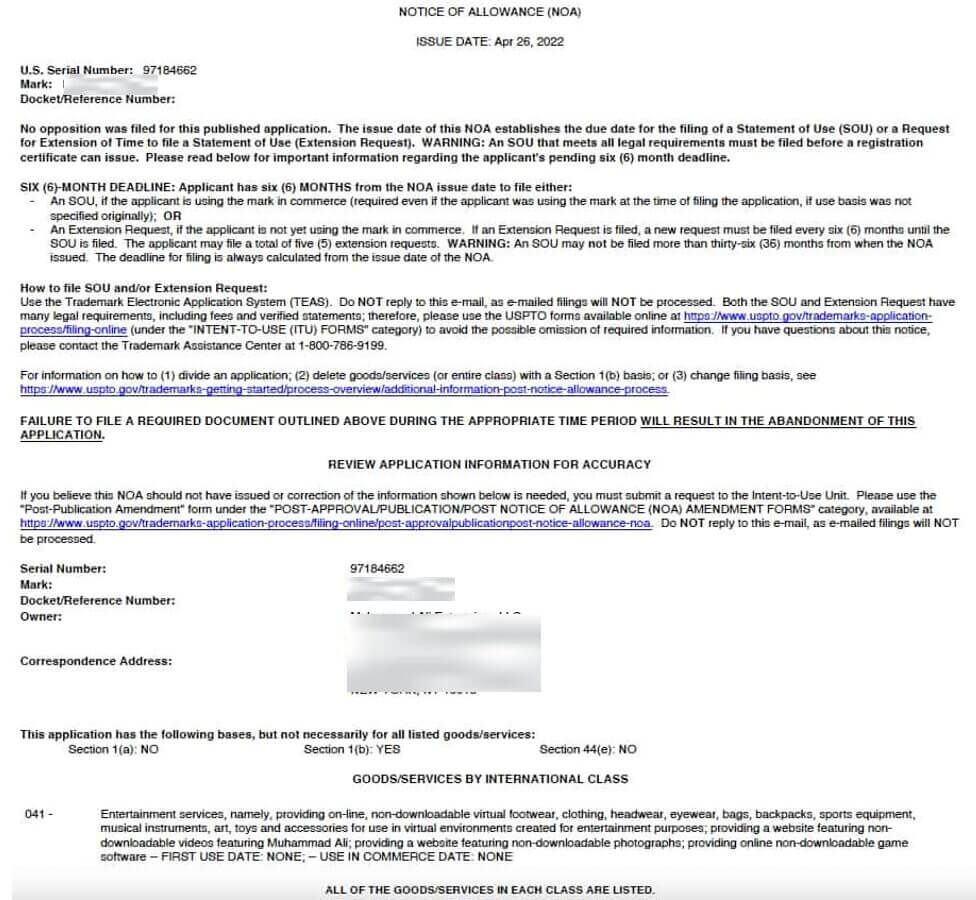
Once you’re ready, you’ll need a Statement of Use (SoU), a document filed after an ITU application, typically following a Notice of Allowance, issued by the Trademark Office as shown:
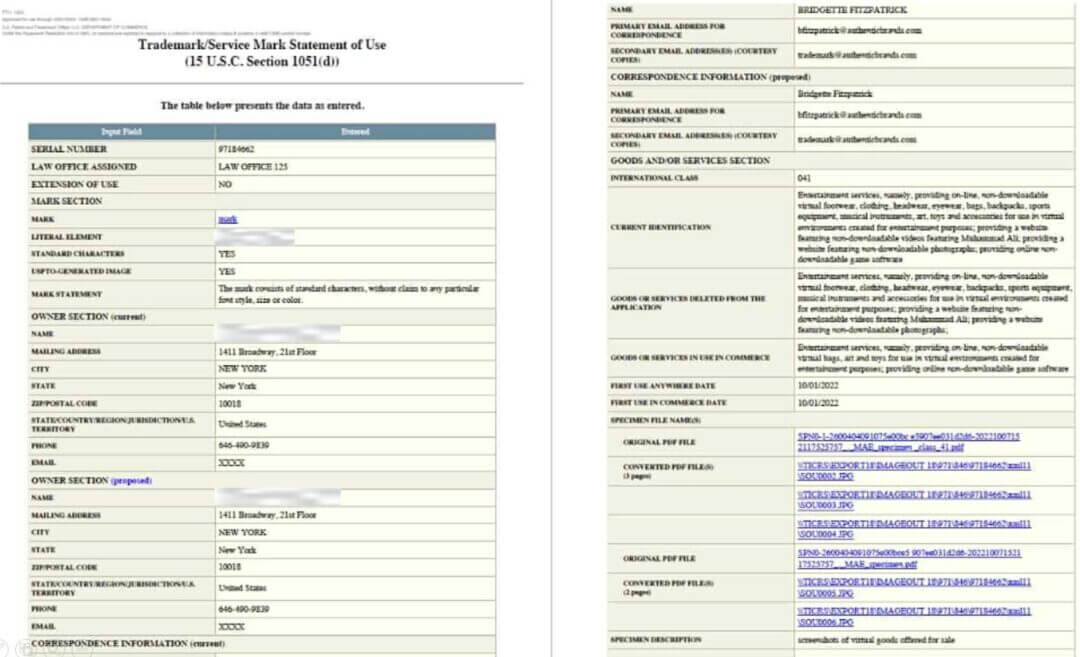
In response to the Notice of Allowance shown above, you can file a Statement of Use like this:
When it makes sense to file early (before forming an LLC):
- You’ve decided on a brand name and want to claim it immediately.
- You’re in an industry with a lot of naming competition.
- You’re planning a launch 6–12 months out and want to get ahead of the queue.
- You’re a content creator or influencer building a personal brand.
When it makes sense to wait:
- You’re still testing different names or business concepts.
- You want to use the LLC as the applicant (which is often cleaner legally).
- You’re working with a tight budget and want to validate first.
Just remember that filing early without a clear business plan can create complications down the road, so weigh your options carefully.
Should You Trademark Before Forming an LLC in 2026?
This is a very important question, and the honest answer is:
It depends on your situation, but for most businesses, forming the LLC first makes more sense.
Here’s a clear framework to help you decide:
In Most Cases: LLC First, Then Trademark
For the majority of new business owners, the recommended order is:
| ✔️ Step 1: Do your name research, search the trademark database via USPTO
✔️ Step 2: Form your LLC so you can open a bank account, accept payments ✔️ Step 3: File for trademark protection to secure your brand at a national level. |
This sequence makes sense for several reasons:
- First, forming an LLC is typically faster, cheaper and simpler than filing a trademark.
- Second, it gives you a legal entity to list as the trademark applicant, which simplifies the filing process and ensures your business (not you personally) owns the trademark rights from day one.
This approach balances speed, cost-efficiency, and long-term protection, without overcomplicating your launch.
Quick Decision Framework
Every business situation is different, and the right move depends on where you are in your journey.
To get clear on where you stand, use this matrix to choose the route that fits your stage:
| Your Situation | Recommended Approach |
| Building a strong brand from day one | Consider trademarking early or simultaneously |
| Testing a business idea or MVP | Form LLC first; trademark later |
| Pre-launch with a firm brand name | File Intent-to-Use trademark early |
| Bootstrapped startup | Form LLC first to keep costs manageable |
| DTC or e-commerce brand | Both strategically, as soon as possible |
| Content creator or influencer | Trademark early to protect your name |
The Three Scenarios in Brief
✅ High-risk brand play: If you’re entering a crowded market where brand names are contested, or if your entire business model depends on a distinctive name or logo, trademark early. The cost of losing a name dispute is far higher than the cost of filing.
✅ Testing an idea: If you’re still figuring things out: validating your product, testing your market, or considering multiple names, form the LLC first. It’s quicker, cheaper, and gets you operational fast.
✅ Serious brand strategy: If you’re building a business you intend to scale, do both. Form the LLC, then immediately begin the trademark process. Many serious founders treat these as parallel processes, not sequential ones.
When you’ve reached the stage of forming your LLC, doola makes it simple. From formation to compliance, we handle the details so you can focus on building your brand.
Get started on a strong foundation for your US LLC with doola today.
The Ideal Order: Step-by-Step for Most Businesses
For the vast majority of founders, here’s the sequence that strikes the best balance between speed, legal protection, and cost-efficiency:
Step 1: Brainstorm and Shortlist Business Names
Start with a list of names you love. Make sure they’re distinctive, memorable, and relevant to your brand. Avoid generic or purely descriptive names, they’re harder to trademark.
Step 2: Check Domain and Social Media Availability
Before you finalize a name, verify that the domain name (ideally .com) and key social media handles are available. Consistency across platforms matters for branding.
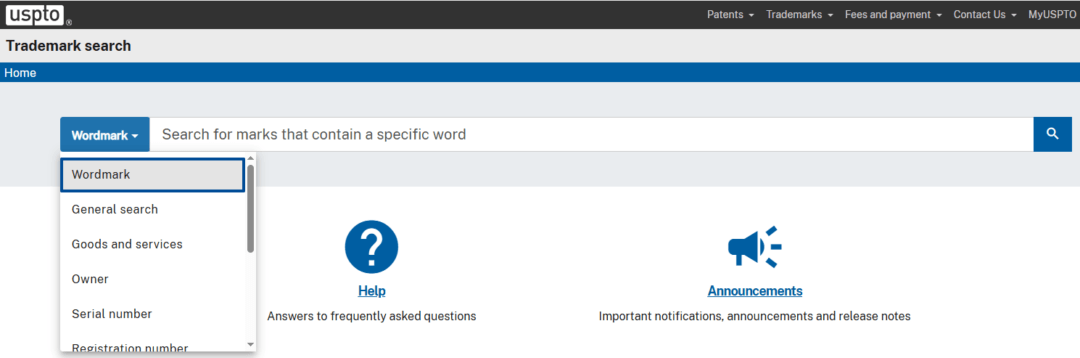
Step 3: Search Existing Trademarks (USPTO Database)
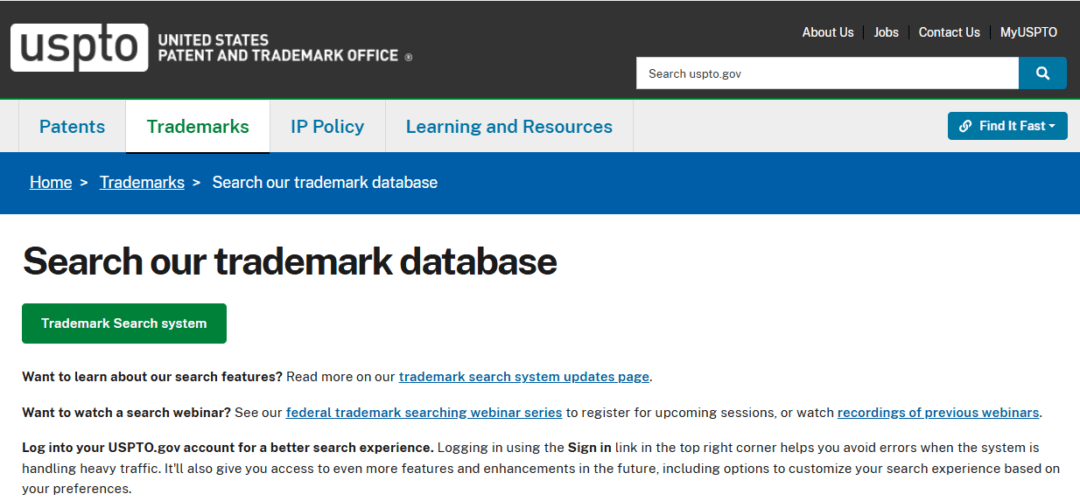
This is a critical step that too many founders skip. Use the USPTO’s TESS (Trademark Electronic Search System) to check whether your desired name is already trademarked in your industry category.
Even if your name isn’t an exact match, a “confusingly similar” mark can still be a problem.
Step 4: Form Your LLC
Once you’ve confirmed your chosen name is likely available, file your LLC with your state. This usually takes anywhere from a few days to a few weeks depending on the state. Services like doola can handle this entire process for you, quickly and compliantly.
Step 5: Start Using the Name in Commerce
Begin operating your business under the name. Use it on your website, invoices, marketing materials, and products. “Use in commerce” is a requirement for trademark registration, and it also establishes your common law rights to the name.
Step 6: File for Federal Trademark Protection
Now file your trademark application with the USPTO. Having your LLC formed first means you can list your business entity, not just yourself, as the trademark owner. This is cleaner from a legal standpoint and protects the brand as a business asset.
| Why this order works?
This order of steps balances speed (LLC gets you operational fast) with long-term legal safety (trademark secures your brand nationwide). It also ensures you do proper due diligence before committing resources to a name that might be unavailable for use as a ‘business name’. |
When Should You Trademark Before Forming an LLC?
There are specific situations where filing for a trademark before forming your LLC is the smarter move:
1. You’re Building a Brand-First Business
If your entire business model revolves around a strong brand identity, such as DTC (direct-to-consumer) products, e-commerce, or a lifestyle brand, your name is your most valuable asset. In these cases, locking in the trademark early is worth it.
2. High Risk of Name Duplication
Some industries are extremely competitive when it comes to names. If you’re in a saturated market (beauty, fashion, tech, food and beverage), filing for a trademark as early as possible reduces the risk of another company beating you to it.
3. You’re Not Ready to Form an LLC Yet
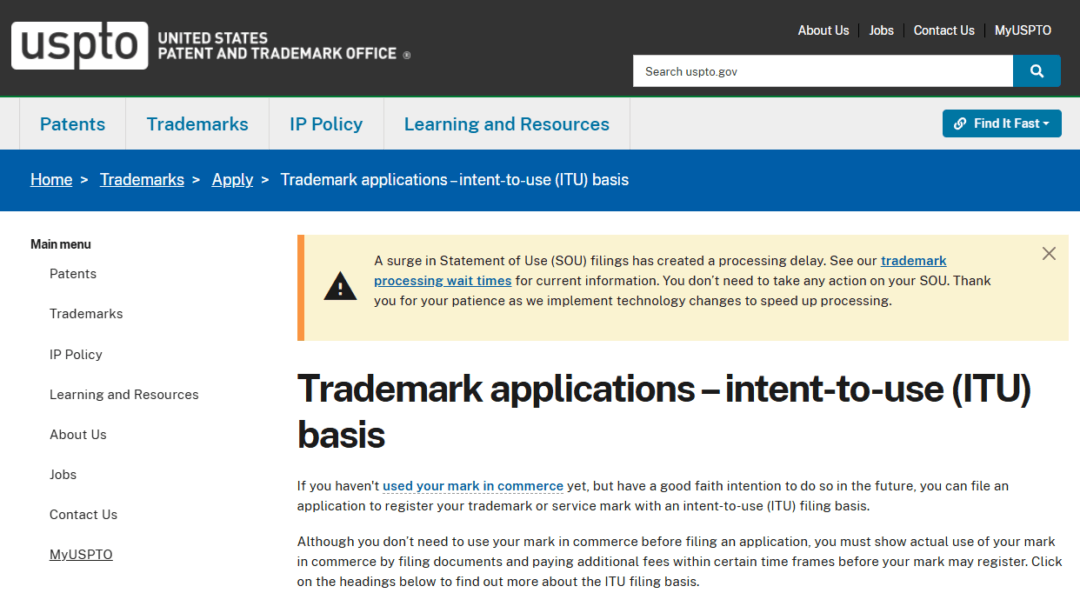
Maybe you haven’t decided on your state of formation, or you’re still building the financial foundation to launch. An Intent-to-Use trademark application lets you claim the name now and form the LLC later.
4. You’re Planning a High-Profile Launch
If you’re a startup with a launch event, press coverage, or investor interest on the horizon, you want your brand protected before the spotlight hits. Public attention increases the risk of copycat brands or bad-faith trademark filings.
| 📝 Who Should File Early: Real-World Examples
✔️ Content creators and YouTubers building a personal brand ✔️ Product-based brands preparing for an upcoming retail launch ✔️ Startups going through accelerators or raising a seed round ✔️ App and software companies with a unique, brandable name |
When Should You Form an LLC Before Trademarking?
For many businesses, especially early-stage ones, the right approach is to form the LLC first and tackle the trademark later. Here’s why:
1. You Need to Start Operations Quickly
Forming an LLC is faster and cheaper than registering a trademark. If you need to start accepting payments, signing contracts, or opening a business bank account now, getting the LLC in place is the priority.
2. You’re Still Validating Your Business Idea
Not every business idea makes it past the early testing phase. If you’re still figuring out your product-market fit, it doesn’t make sense to spend $250–$350 per USPTO filing class on a name you might change in six months.
3. You Need a Legal Entity for Business Functions
An LLC allows you to:
- Open a dedicated business bank account
- Apply for an EIN (Employer Identification Number)
- Enter contracts under a business name
- Apply for business licenses or permits
None of these require a trademark but all of them require an LLC (or equivalent business entity).
4. Budget Constraints
Trademark applications cost money: both in USPTO fees and potentially attorney fees too, if you want professional help. Getting the LLC formed first keeps your initial costs lower while still protecting your personal assets.
| ⚡ doola Insight for Entrepreneurs
An LLC enables your business operations. A trademark protects your long-term brand. If you have to choose one first, choose based on your immediate needs. Don’t wait long to pursue both. |
Risks of Getting the Order Wrong
Skipping steps or rushing through either process can create serious problems. Here are the key risks to be aware of:
Risk 1: Registering an LLC Name That’s Already Trademarked
This is the most common mistake, and the most painful. State governments don’t check federal trademark databases when approving LLC names.
So, you can successfully form an LLC with a name that someone else already has trademarked federally.
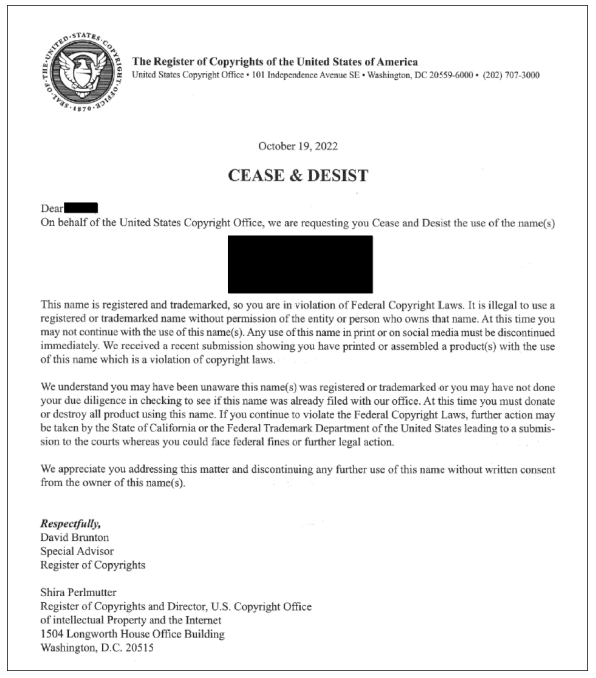
Then, when you try to register the trademark yourself, you’ll be rejected, or worse, you’ll get a cease-and-desist letter like the one shown below:
Risk 2: Being Forced to Rebrand
If someone else holds a trademark on a similar name in your industry, they can demand you stop using it.
At that point, you’ll need to rebrand with a new logo, new website, new social handles, and new marketing materials.
The cost and disruption can be devastating for a growing business.
Risk 3: Legal Disputes and Cease-and-Desist Notices
Trademark disputes can be expensive and time-consuming, even if you ultimately win.
A cease-and-desist letter from a trademark holder can force you to hire an attorney, respond formally, and potentially change your name regardless of your own legal standing.
Risk 4: Losing Brand Equity After Growth
If you’ve been operating under a name for a year or two: building an audience, gaining customers, earning reviews, and then you’re forced to change it, you don’t just lose the name.
You lose the brand recognition, SEO ranking, and even the customer trust you’ve built.
| ⚡ doola tip for Do’ers: Always conduct a thorough trademark search before finalizing your business name. Use the USPTO’s TESS database, and consider a professional trademark search for peace of mind. |
LLC Name vs Trademark: Why They’re Not the Same Thing
This is one of the most widely misunderstood aspects of business formation, and it causes real harm to business owners who don’t know the difference.
When you register an LLC in, say, Texas, you’re securing the right to use that name as a business entity in Texas. You are not getting nationwide exclusive rights to use that name in commerce.
Another business in California could register an LLC with a nearly identical name, and there’s nothing your Texas LLC registration can do about it.
A federal trademark, on the other hand, gives you exclusive rights to use your brand name (or logo, slogan, etc.) in commerce across all 50 states, and in your specific industry category (called a “class”).
If someone else tries to use a confusingly similar name in your industry, your trademark gives you the legal authority to stop them.
So, two businesses can coexist with similar LLC names in different states, but if one of them has a federal trademark, the trademark holder has the stronger legal claim in commerce, regardless of where either LLC is registered.
| 📌 Key Takeaway
Your LLC name is a state-level administrative record and your trademark is a federal legal right. They serve completely different purposes, and you will need both to be fully protected. |
Cost Comparison: LLC Formation vs Trademark Registration
Understanding the financial investment involved in each process helps you plan smartly and avoid surprises.
Let’s start with a complete breakdown of the LLC formation costs.
LLC Formation Costs
| Cost Item | Typical Range |
| State filing fee | $50–$500 (varies by state) |
| Registered agent service | $50–$300/year (optional but recommended) |
| Operating agreement template | Free–$200 |
| Formation service (optional) | $0–$299 (if using a service like doola) |
Many states charge very low formation fees. Wyoming and New Mexico, for example, are popular for their low costs. Delaware is popular for its legal protections.
Total out-of-pocket (OOP) cost for an LLC can be as low as $50–$150 in many states.
🔖 Related Read: How Much Does an LLC Cost by State? A Complete Breakdown of Filing & Ongoing Fees
Trademark Registration Costs
| Cost Item | Typical Range |
| USPTO filing fee (per class, TEAS Plus) | $250 per class |
| USPTO filing fee (per class, TEAS Standard) | $350 per class |
| Attorney fees (optional but recommended) | $500–$2,000+ |
| Response to Office Actions (if needed) | $200–$1,000+ |
If your brand name or logo needs to be protected in multiple categories (e.g., clothing AND accessories), you’ll pay a separate filing fee for each class. For most small businesses, one or two classes are sufficient.
| ⚡ doola Insight:
Trademarking is typically more expensive than forming an LLC, but it’s often the more critical investment for long-term brand protection. Losing a brand dispute or being forced to rebrand almost always costs far more than the original trademark filing would have. |
How to Protect Your Business Name the Right Way
Knowing when to trademark and when to form your LLC is half the battle. The other half is execution.
If you’re ready to put it all together, here’s a comprehensive, actionable checklist to protect your business name from day 1:
Phase 1: Research and Validation
This phase is all about making sure your name is available and viable before you commit to it.
- Brainstorm a shortlist of business names: Create 3–5 strong options so you have flexibility if your first choice isn’t available.
- Check domain availability (prioritize .com): A clean, brand-matching .com domain adds credibility and makes your business easier to find online.
- Secure matching social media handles: Consistent handles across platforms help you build a cohesive and recognizable brand presence.
- Search the USPTO TESS database for existing trademarks: This is to ensure your name (or similar variations) isn’t already protected.
- Search state LLC databases in your target formation state: Confirm that your desired name is available for registration in the state where you plan to form your LLC.
- Do a Google search for competitors using similar names: A quick scan helps you spot unregistered but active businesses that could still pose branding conflicts.
Once your name clears these checks, you can move from the idea to execution with confidence.
Phase 2: Business Formation
Now, it’s time to turn your name into a legally recognized business entity you can operate under.
- Choose your state of LLC formation: Select the state that best fits your business needs, usually where you operate or have a physical presence.
- File your LLC articles of organization: This officially registers your business and secures your name at the state level.
- Obtain your EIN (Employer Identification Number): This will be your business’s tax ID, required for banking, hiring, and compliance.
- Open a dedicated business bank account: Separating personal and business finances is essential for liability protection and clean bookkeeping.
- Draft or obtain an operating agreement: This outlines ownership, roles, and decision-making, critical for clarity, especially with multiple founders.
With your LLC in place, you now have the legal foundation to operate, transact, and grow.
Phase 3: Brand Protection
After your business is live, the focus shifts to securing your brand at a national level and defending it over time.
- Begin using your name in commerce (website, invoices, marketing): Active use strengthens your trademark claim and builds brand recognition in the market.
- File your USPTO trademark application: Registering under your LLC ensures the business, not you personally, owns the trademark rights.
- Track your application status in the USPTO TSDR system: Stay on top of updates and timelines to avoid missing critical deadlines.
- Respond to any Office Actions promptly: Consider hiring an attorney in critical cases.
- Monitor for potential trademark infringement after registration: Keep an eye out for similar names entering the market and take action if needed to protect your brand.
Following this checklist systematically ensures you’re building on a legally secure foundation without wasting time, money, or momentum.
Start Your Business the Right Way With doola

Forming an LLC is the critical first step in building a legitimate, protected business, and it doesn’t have to be complicated or time-consuming.
doola is built specifically to help entrepreneurs, founders, and global business owners form and run US-based businesses with ease.
Here’s what doola helps you do:
- Form your LLC quickly from anywhere in the world, without needing a US address or in-person appointments
- Get your Employer ID Number required for business banking, taxes, and hiring
- Set up a US business bank account (subject to providing an international passport or U.S. government ID later) so you can start accepting payments and managing your finances immediately
- Stay compliant with annual reports, registered agent services, and ongoing compliance reminders that keep your business in good standing
While a trademark protects your brand, doola ensures your business foundation is solid, compliant, and ready to grow from day one.
Whether you’re a solo founder, a startup team, or an international entrepreneur breaking into the US market, doola has everything you need to get started fast and stay protected.
Form your US LLC with doola and start with a strong foundation for your business today!
FAQs

Can I trademark my business name without an LLC?
Yes. The USPTO allows individuals (sole proprietors) to apply for trademarks. You don’t need a registered business entity to file.
However, if you plan to form an LLC eventually, it’s often better to wait and file the trademark under your LLC.
That way, the trademark is owned by your business, not by you personally.
What comes first: trademark or LLC?
For most businesses, forming the LLC first is the recommended approach. It’s faster, more affordable, and gives you a legal entity to list as the trademark applicant.
However, if you’re building a brand-first business or operating in a competitive naming environment, filing an Intent-to-Use trademark application early (even before forming the LLC) can be a smart move.
Do I need a trademark if I already have an LLC?
Your LLC registration does not give you trademark rights. It only prevents another LLC from using the same name in your state; it does nothing to protect your brand at the federal level.
If you want exclusive nationwide rights to your business name, you need a federal trademark.
How long does it take to get a trademark approved?
The USPTO trademark process typically takes 8 to 12 months or longer, depending on whether your application receives any Office Actions (objections or requests for clarification).
In some cases, the process can take 18 months or more. This is why many founders file early, the clock starts ticking from your filing date.
Can two LLCs have the same name in different states?
Yes, they can, and this is an important distinction to understand.
LLC names are only protected within the state they’re registered in. Two businesses in different states can legally have the same or similar LLC names.
However, if one of them has a federal trademark for that name in a specific industry, the trademark holder has the superior legal claim, regardless of where either LLC is registered.
What happens if someone trademarks my business name first?
If someone else registers a federal trademark for a name you’ve been using, they can send you a cease-and-desist letter demanding you stop using it.
If you’ve been using the name before their trademark registration date, you may have “common law” rights to continue using it in your geographic area, but this is a complicated legal situation.
The best course of action is to file for your trademark as early as possible to establish priority.
How much does it cost to trademark a business name?
USPTO filing fees start at $250 per class for TEAS Plus applications and $350 per class for TEAS Standard applications. Most small businesses need one to two classes.
If you hire a trademark attorney for guidance, expect additional fees of $500–$2,000 or more.
The total cost to trademark a business name in one class typically runs between $250 and $2,500 depending on whether you use professional help and whether your application faces any complications.